The Nissequogue River is the longest river on Long Island’s North Shore and, by volume, the largest on Long Island. Its size, flow, and expansive watershed shaped by a unique glacial history make it the most ecologically significant river on the North Shore.
Rising between the Ronkonkoma and Harbor Hill moraines, the river’s multiple branches flow from forested wetlands and moraine slopes, converge in Blydenburgh County Park, and continue northward to Long Island Sound.
For thousands of years, the Nissequogue flowed freely. Over two centuries ago, the river was dammed to power a mill, but over time, the dam blocked fish movement, trapped sediment, and altered habitat. What was once a flowing river became an impoundment, hiding much of the river’s natural character and altering ecosystems.
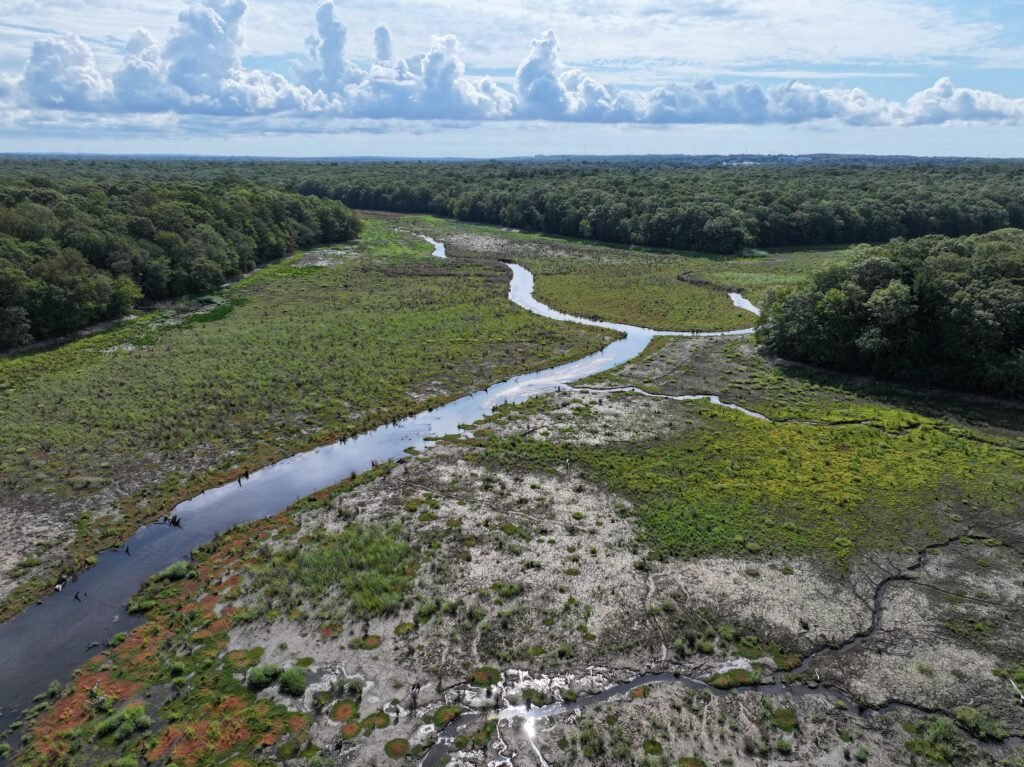
In August 2024, the historic dam failed during a major storm. While sudden, the failure reopened a long-blocked stretch of river and allowed water and sediment to move more naturally for the first time in two hundred years. Since then, water is flowing freely, habitat conditions have improved, and 120 plant species have been observed in and around the river.
The Nissequogue River offers a living example of what may be gained when a dam is removed: in just over a year since the dam failure, the river has become healthier, more resilient, and better able to support a variety of species.
Now, Suffolk County faces a decision: spend millions to build a new, larger dam at the expense of the newly invigorated biodiversity and climate resiliency, or let the Nissequogue river run.
As we look ahead, we have an opportunity to choose an approach that works with the river rather than against it. Allowing the river to continue flowing freely brings benefits that extend well beyond the banks of the Nissequogue.
Here are just some of the ways that a free-flowing river benefits people and place:
Fiscal Responsibility
Building a new, larger dam would come with significant costs, both upfront and over time. Letting the Nissequogue River flow naturally avoids those ongoing expenses and allows the river to do what it has always done, without placing added demands on public resources.
Climate and Community Resilience
A free-flowing river also supports the surrounding community. By slowing and absorbing stormwater, the Nissequogue helps reduce flooding and filter runoff before it reaches Long Island Sound.
As weather becomes less predictable, these natural functions offer dependable protection.
Ecological Benefit
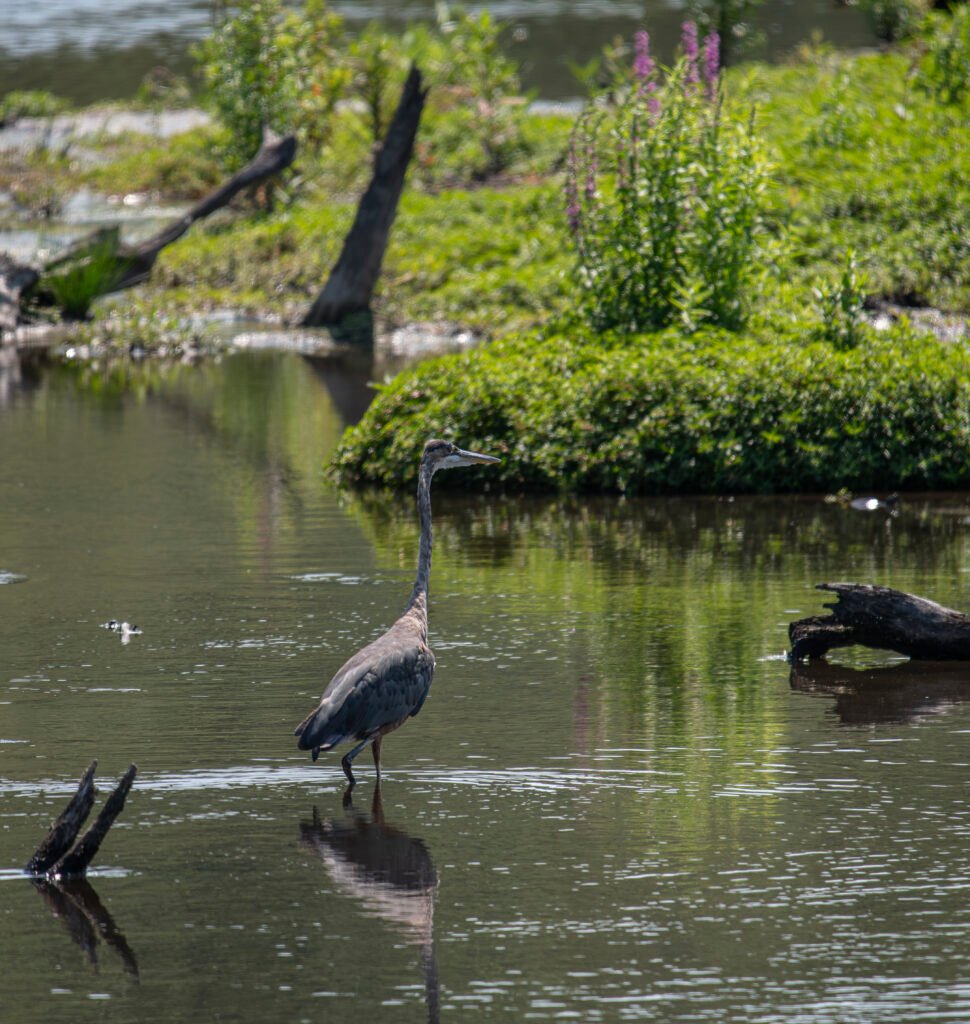
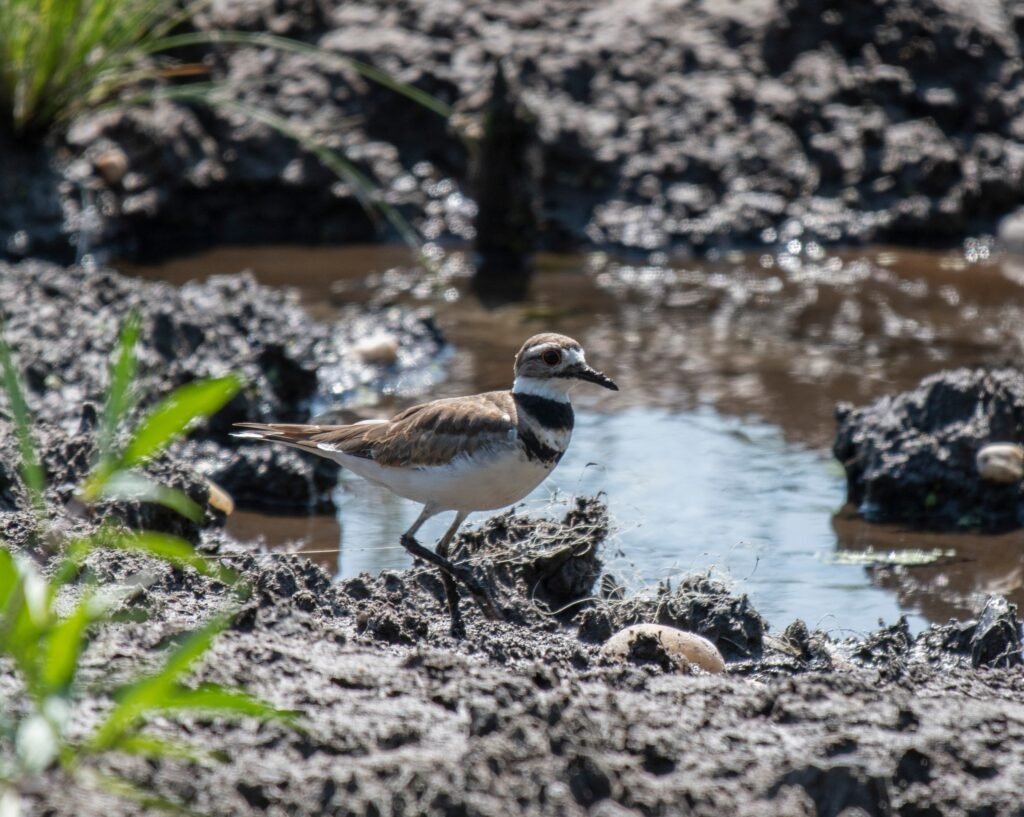
When the river is connected, it supports cleaner water and healthier wetlands, creating space for native fish and wildlife to return and thrive. Species that have long been part of Long Island’s natural landscape benefit from open, moving water and restored habitat.
Recreation and Access
Restoration can also enhance how people experience the river. Reconnecting the Greenbelt Trail with a pedestrian bridge would invite more opportunities to walk, watch wildlife, fish, and spend time along the water’s edge in a peaceful setting.
History and Heritage
Caring for the river’s future does not mean losing its history. The historic mill house remains and can continue to tell the story of the people and industries that shaped this place, and a restored river offers a living connection to the landscape that sustained Indigenous communities for thousands of years.
Across the U.S., communities are opting to remove aging dams, restoring rivers to their natural beauty while improving resilience, ecology, and recreation. According to American Rivers, in 2024 alone, communities across 27 states removed 108 outdated dams, reconnecting more than 2,500 river miles. These removals restore fish habitat, improve public safety, bring back natural sediment flow, and even boost local economies. Dam removal is proving to be a cost-effective, science-backed tool to heal rivers.
The failure of the Stump Pond Dam provides a rare and powerful lesson in the importance of reconnecting rivers. What began as a local disaster quickly evolved into a demonstration of the restorative potential of free-flowing water. As communities across the country move toward the restoration of natural river systems, the Nissequogue stands as a compelling example of what can be gained when aging infrastructure gives way to ecological renewal.
Join us and raise your voice to show your support for this once-in-a-generation opportunity to restore our river.
What: Suffolk County Full Legislature General Meeting
Where: Evans K. Griffing Building (Maxine S. Postal Auditorium, 300 Center Drive, Riverhead, NY 11901)
When: Tuesday, March 10 at 9:30 am
A free-flowing Nissequogue is still within reach. A powerful turnout in support of a resilient river can help shape what happens next.
Please email info@freethenissequogue.org with any questions.